Section 03 · Retreats in Thailand
Retreats in Thailand
What public temple retreats in Thailand actually ask of lay guests: Wat Mahathat, Wat Ram Poeng, Wat Suan Mokkh, daily shapes, clothing, dana and booking.
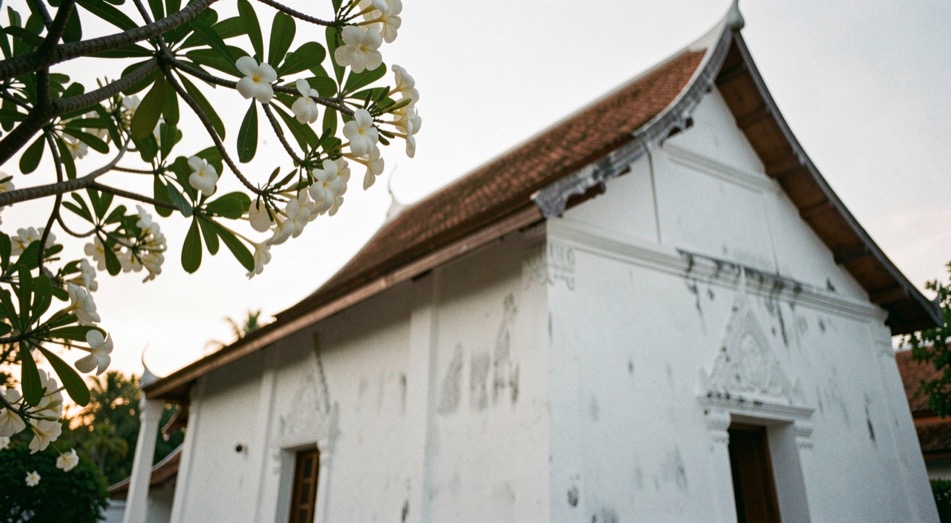
Thailand keeps an unusual institution alive: meditation temples that take lay guests for days or weeks, teach a method in the morning, and hand you a broom after breakfast. The guides here describe three of the best known public centers, Wat Mahathat in Bangkok, Wat Ram Poeng in Chiang Mai and Wat Suan Mokkh in Chaiya, at the level of what is publicly known: the style taught, the shape of the day, what to pack, and the honest uncertainty of arrangements that change year to year.
Start with how a temple retreat works for the common machinery, then read choosing between the three temples when one of them starts calling. The notebook takes no bookings and speaks for no temple; it only helps you arrive informed.
In this section
-
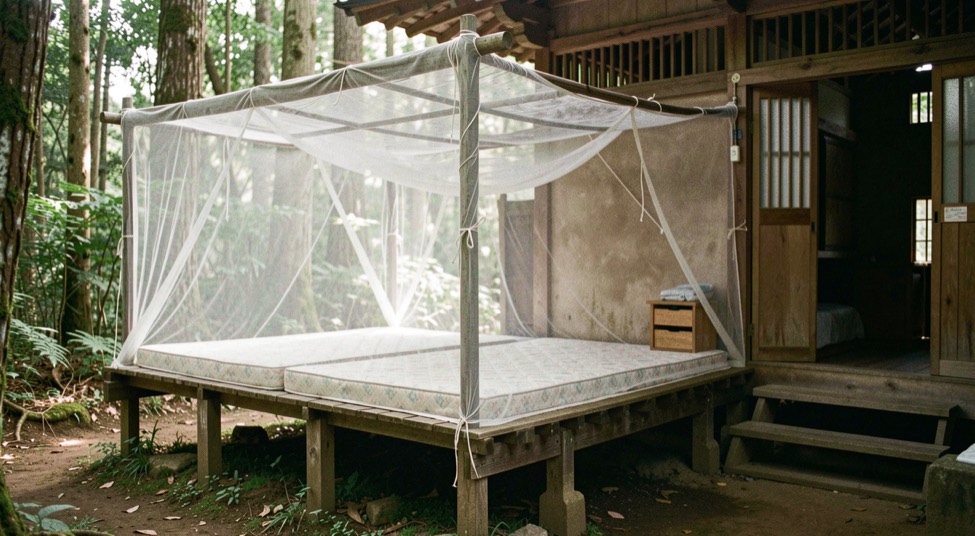
How a Thai temple retreat actually works
Thailand keeps an old institution alive: temples that teach meditation to lay guests and hand them a broom afterward. Here is the common machinery, described plainly.
-
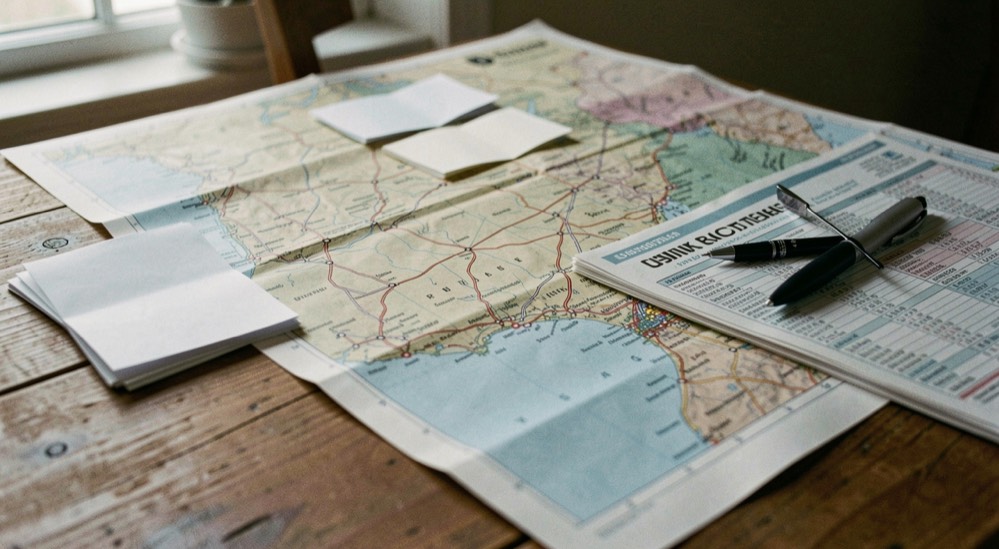
Choosing between three public retreat temples
The three best known public retreat centers ask for different things. Here they are side by side at the level of public fact, with a decision rule that starts from your calendar.
Two neighbouring doors extend the practice: Meditation Practice and Suttas Made Accessible.