Section 02 · Suttas Made Accessible
Suttas Made Accessible
Read the early discourses the way a lay person can: the Kalama Sutta taken seriously, a first reading path of five suttas, and references that check out.

The suttas were addressed to farmers, merchants, kings and householders, which makes them unusually readable for exactly those people today. The habit this notebook asks for is a small one: read a discourse whole, note its reference, and keep your own translation open on the desk. The reading path in five suttas to start with begins at the first sermon (SN 56.11) and ends with the discourse that gives lay practice its spine (AN 5.57).
The Kalama Sutta, read carefully, is here for a reason: AN 3.65 is the most quoted and most misquoted discourse in the canon, and reading it whole changes what it asks of you. Every reference on this site gives the nikaya and number, so each claim can be checked against suttacentral.net or a printed collection at home.
In this section
-
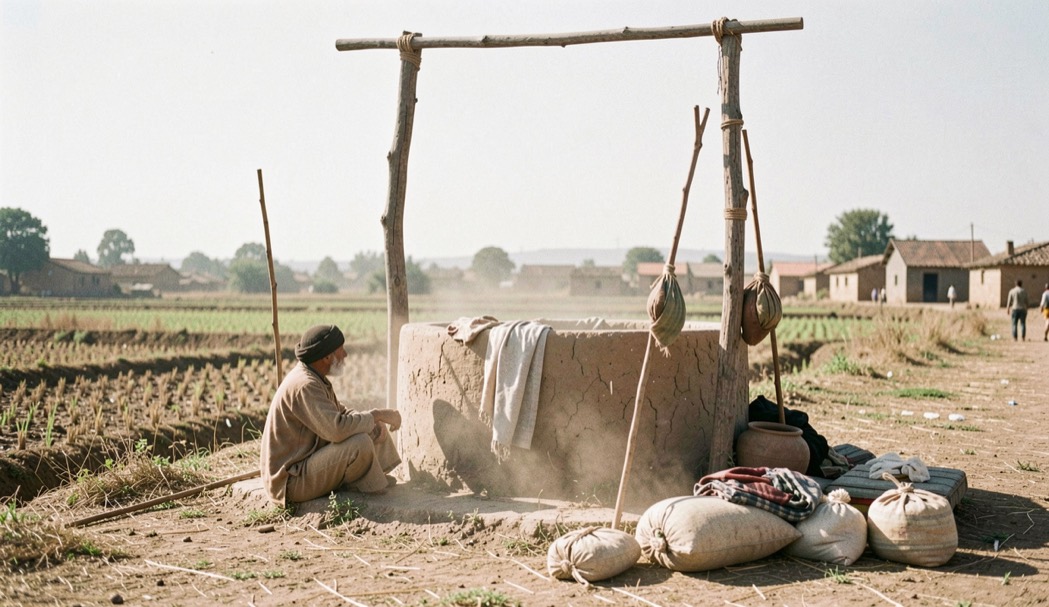
The Kalama Sutta (AN 3.65) and how to read it
The Kalama Sutta is quoted everywhere and read rarely. Read whole, it is not a license to believe nothing: it is a method for testing teachings by what shows up in a life.
-

Five suttas to start reading, in a workable order
The canon is large; the entrance is not. Five discourses, in this order, give a lay reader the frame, the practice, the test and the daily recollections.
Two neighbouring doors extend the practice: Meditation Practice and Retreats in Thailand.